
MAAN ORGANIC COMPOSTS
Maan Organic Compost – Importance of Vermicompost
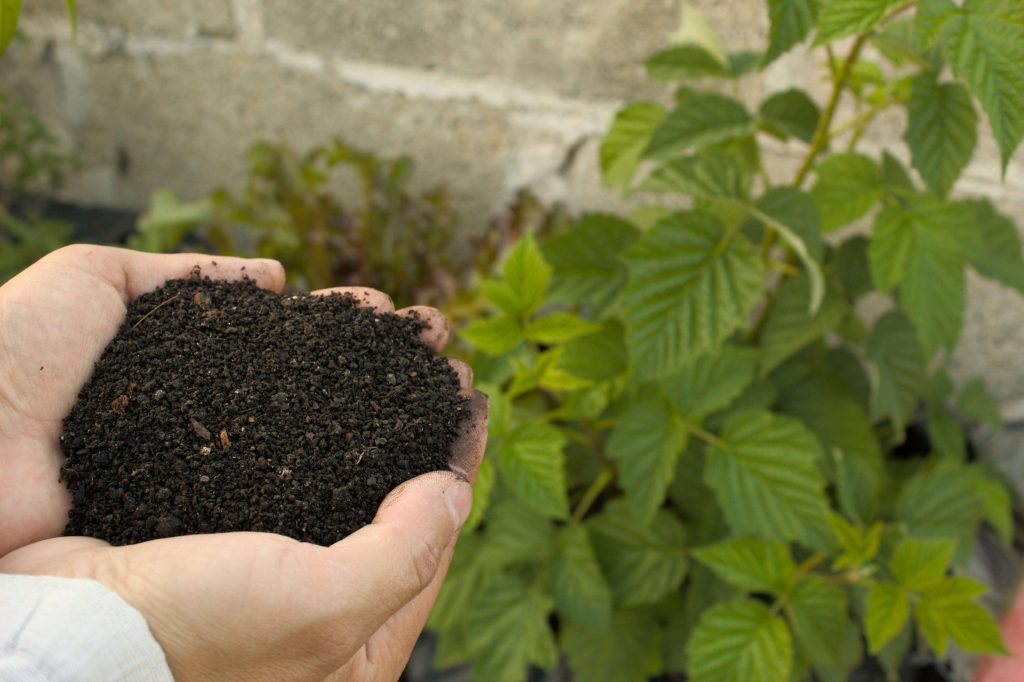
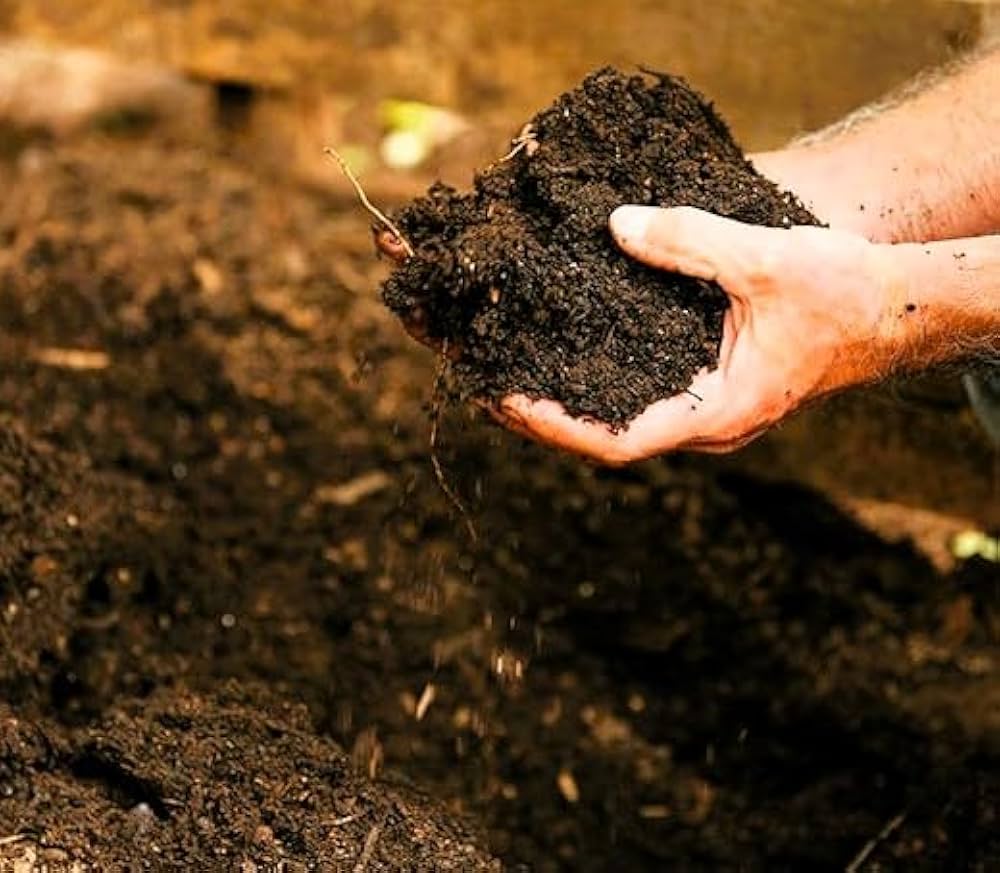
The image shows a pair of hands holding rich, dark soil. The texture appears moist and crumbly, suggesting it is fertile and full of organic matter. Small particles fall gently between the fingers, emphasizing its softness and vitality.
This scene symbolizes growth, sustainability, and a close connection to nature. Healthy soil like this is essential for plant life, agriculture, and maintaining ecological balance. It reflects care for the earth and the importance of nurturing natural resources.
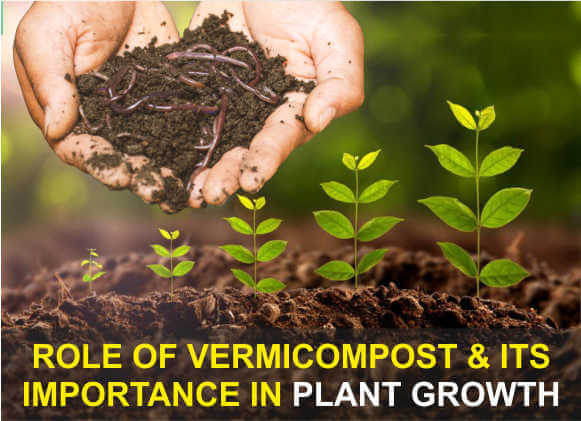
The image highlights the importance of vermicompost in promoting healthy plant growth. It shows hands holding nutrient-rich soil filled with earthworms, symbolizing natural decomposition and soil enrichment. Below, a sequence of growing plants represents the positive impact of vermicompost on plant development.
Vermicompost is an organic fertilizer produced through the breakdown of waste by earthworms. It improves soil structure, increases nutrient content, and enhances water retention. As a result, plants grow stronger, greener, and more resilient. Under the concept of Maan Organic Compost, this eco-friendly method not only supports sustainable agriculture but also helps reduce waste, making it an essential practice for a healthier environment.
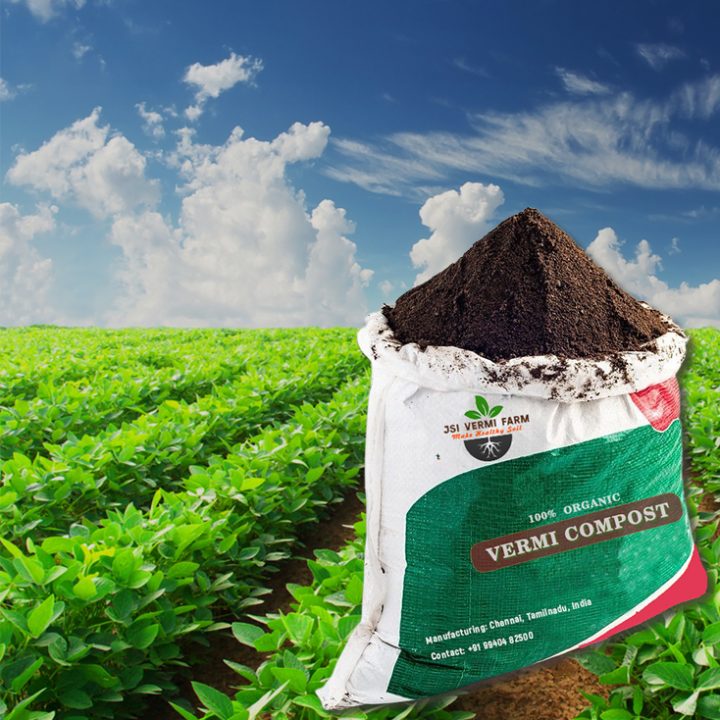
Vermicompost — Farming with Worms
Vermicompost is organic matter broken down by earthworms into one of the richest natural fertilizers on earth. Unlike regular composting, which relies mainly on microbial action and heat, vermicomposting is driven by the digestive systems of worms — particularly red wigglers (Eisenia fetida) — working at room temperature, quietly and continuously.
What makes it remarkable is the quality of the end product. Worm castings (the technical term for worm excrement) are packed with plant-available nutrients, beneficial bacteria, enzymes, and humus — a form of organic matter that dramatically improves soil structure, water retention, and root health. Even a 10–20% addition of vermicompost to regular soil produces measurable improvements in plant growth.
It’s also surprisingly easy to set up. A simple plastic bin, some moistened cardboard or newspaper for bedding, a batch of worms, and your kitchen scraps are all you need. The worms do the rest. They can eat roughly half their body weight in organic matter daily, and they reproduce fast — a small starter colony grows steadily over weeks.
A secondary product, worm leachate (or “worm tea”), drains out the bottom of the bin and can be diluted with water to create a liquid fertilizer for plants. It’s especially good for houseplants and seedlings.
A few things to keep in mind: worms are sensitive to extreme temperatures, strong smells, and acidic foods. Avoid overfeeding — if the bin smells bad, you’re giving them more than they can process. A healthy bin smells earthy and pleasant, almost like a forest floor.
For gardeners in Punjab’s climate, vermicomposting is particularly practical — it can be done indoors or in shaded areas year-round, and the castings work beautifully in vegetable gardens, fields, and pots alike.
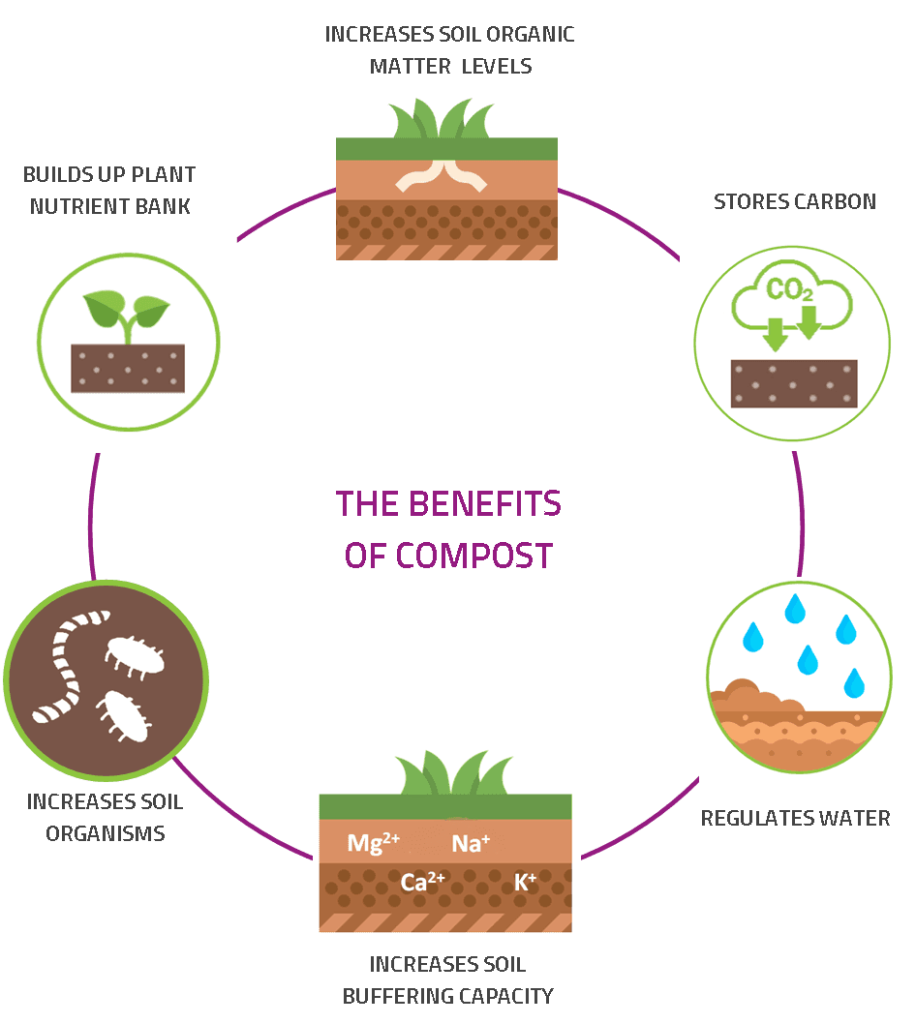
Benefits
- Improves soil structure — adds humus, making soil loose, airy, and well-draining
- Feeds soil microbes — supports billions of beneficial bacteria and fungi
- Long-lasting nutrition — nutrients release slowly over months
- Increases water retention — especially helpful in sandy soils
- Reduces erosion — binds soil particles together
- Safe for plants and humans — no risk of chemical burn or toxicity
- Improves biodiversity — encourages earthworms and other soil organisms
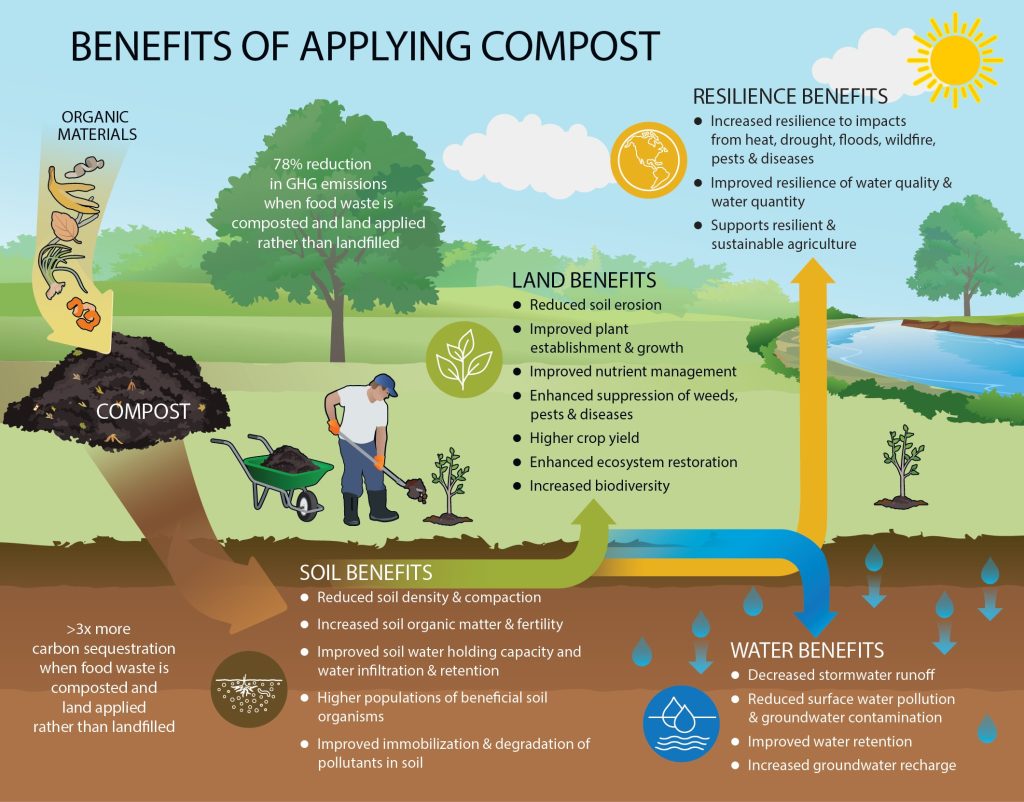
Benefits
- Fast-acting — nutrients available to plants almost immediately
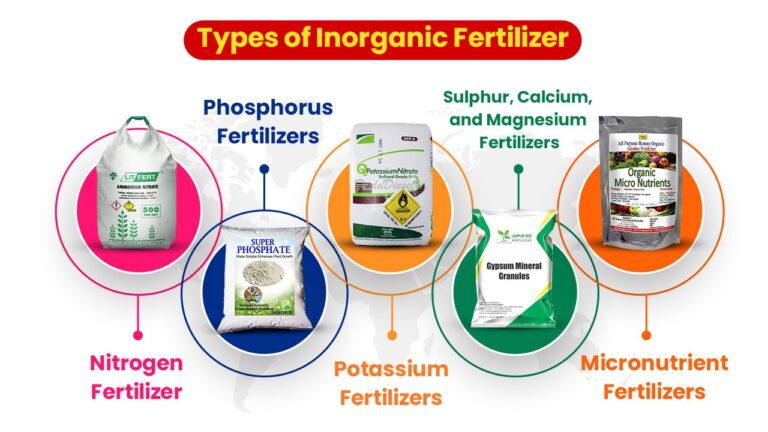
- Precise dosing — exact NPK (Nitrogen, Phosphorus, Potassium) ratios
- Higher crop yields in the short term
- Easy to apply — granules, liquids, or sprays
- Targeted nutrition — can correct specific nutrient deficiencies quickly
- Cost-effective for large-scale farming
Soil Health Degradation
- Kills beneficial soil microbes and earthworms over time
- Reduces organic matter in soil, making it hard and compacted
- Destroys natural soil structure, leading to poor aeration and drainage
2. Water Pollution
- Excess nutrients (especially nitrogen and phosphorus) wash into rivers, lakes, and groundwater
- Causes “algal blooms” — rapid algae growth that depletes oxygen in water, killing fish and aquatic life
- Contaminates drinking water sources
3. Soil Acidification
- Repeated use lowers soil pH, making it more acidic
- Acidic soil reduces nutrient availability and harms crops in the long run
- Requires additional lime to correct, adding cost
4. Chemical Dependency (Fertilizer Treadmill)
- Soil becomes dependent on external inputs as natural fertility declines
- Farmers must use more and more fertilizer each season to get the same yield
- Increases farming costs year after year
5. Nutrient Imbalance
- Provides only specific nutrients (NPK) while ignoring trace minerals like zinc, iron, boron
- Long-term deficiencies in micronutrients weaken crop quality and health
6. Environmental Damage
- Nitrogen fertilizers release nitrous oxide (N₂O) — a greenhouse gas 300x more potent than CO₂
- Contributes significantly to climate change
- Can cause air pollution near large farms
7. Human Health Concerns
- Excess nitrates in vegetables and water linked to health risks
- Chemical residues can enter food chain
- “Blue baby syndrome” — high nitrates in water dangerous for infants
8. Short-Term Fix Only
- Feeds the plant but not the soil
- Does nothing to improve long-term soil fertility or structure
- Crop quality (taste, nutrition) often lower compared to organically grown produce
POULTRY /CHICKEN COMPOST
Poultry / Chicken Manure Compost
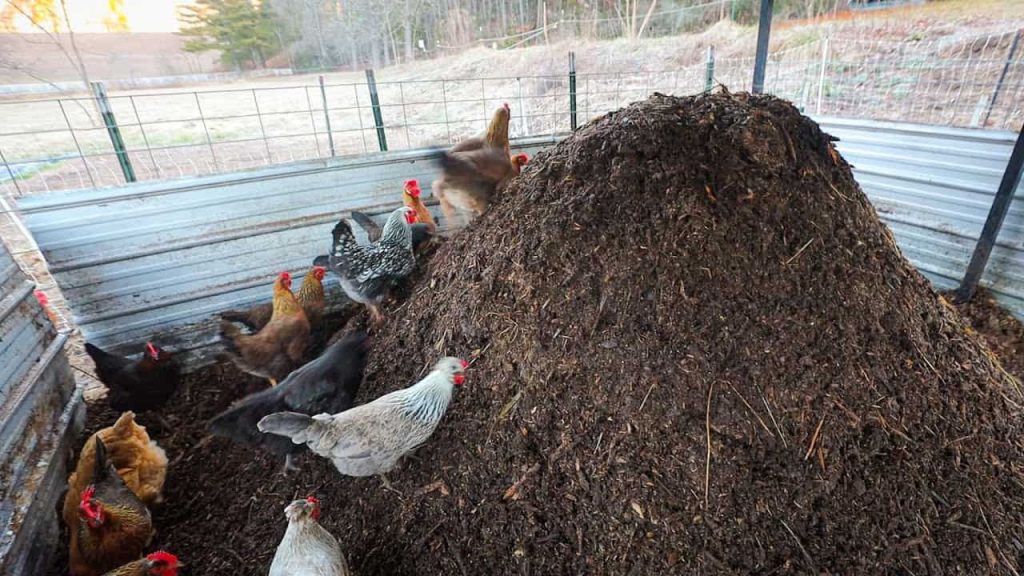
Chicken manure is often called “black gold” by farmers — and for good reason. Among all animal manures, it contains the highest concentration of nitrogen, phosphorus, and potassium, making it one of the most powerful organic fertilizers available.
What makes it so valuable is its exceptional nutrient density. A single tonne of properly composted chicken manure delivers more plant nutrition than 3–4 tonnes of cow dung. It also contains important micronutrients like calcium, magnesium, sulfur, and zinc that are often missing from chemical fertilizers.
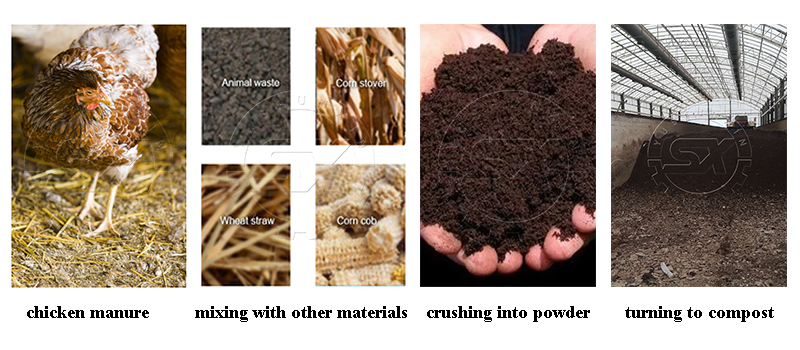
The composting step is non-negotiable. Fresh chicken manure is extremely high in ammonia and uric acid — applying it directly to soil or plants will burn roots and destroy crops. It may also carry dangerous bacteria. The composting process — which takes 45 to 60 days with regular turning — breaks down these harmful compounds, kills pathogens through heat, and transforms the raw waste into a stable, safe, and highly effective soil amendment.
How it improves soil over time — unlike chemical fertilizers that feed only the plant, chicken manure compost feeds the entire soil ecosystem. It encourages earthworms, beneficial fungi, and billions of soil bacteria that improve soil structure, water retention, and long-term fertility. Fields treated with it consistently for 2–3 seasons show dramatically better texture and productivity.
For Punjab farmers especially, poultry manure compost is an excellent complement to vermicompost — the two together provide a broad-spectrum nutrient profile and a thriving soil biology that reduces dependence on expensive chemical inputs season after season.