Vermicompost: The Future of Sustainable Farming and Gardening
Introduction
In an era where environmental sustainability is no longer optional but essential, vermicomposting has emerged as a powerful and eco-friendly solution for managing organic waste and enriching soil health. Vermicompost, often referred to as “black gold” by farmers and gardeners, is a nutrient-rich organic fertilizer produced through the breakdown of organic matter by earthworms. As we move further into 2025, the importance of vermicomposting continues to grow due to its numerous environmental, economic, and agricultural benefits.
This blog explores everything you need to know about vermicompost—its meaning, process, benefits, types, and its role in shaping a sustainable future.
What is Vermicompost?
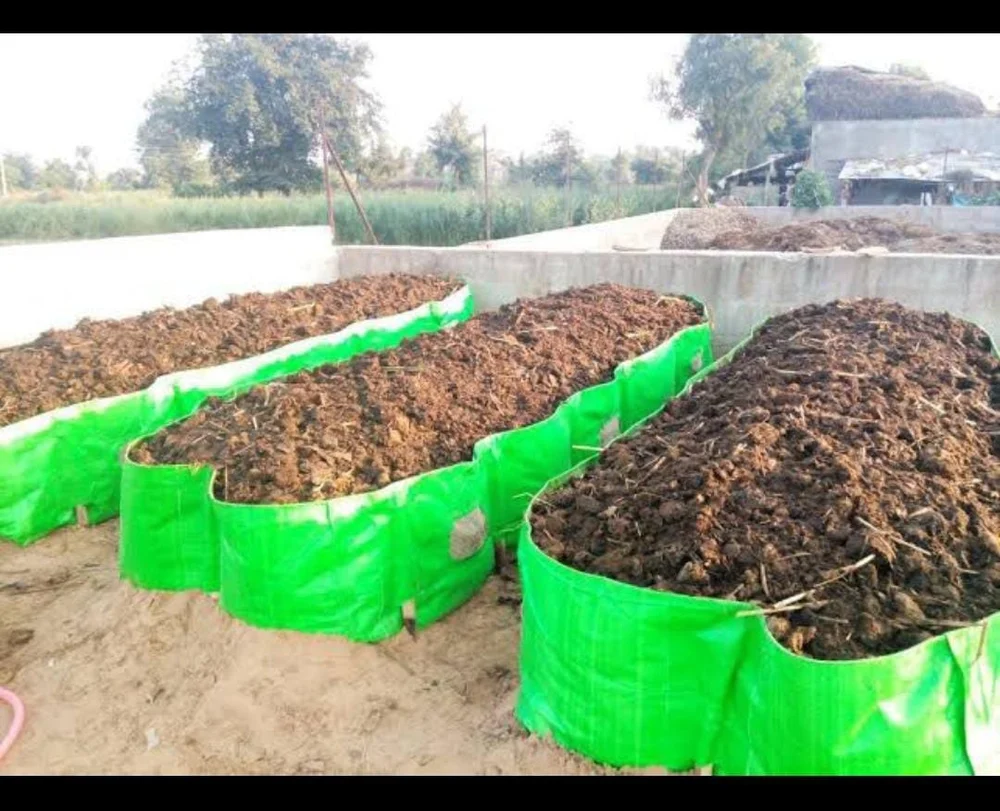
Vermicompost is a natural fertilizer created by decomposing organic waste such as vegetable peels, crop residues, leaves, and animal manure using specific species of earthworms. These earthworms consume organic material and excrete it in the form of nutrient-rich castings. These castings are highly beneficial for soil health and plant growth.
Unlike traditional composting, vermicomposting is faster and produces a finer, more homogeneous product. The result is a dark, crumbly substance that improves soil structure, enhances fertility, and supports microbial activity.
The Vermicomposting Process
The process of vermicomposting involves several steps:
1. Selection of Site
A shaded, cool, and moist environment is ideal for vermicomposting. Direct sunlight and heavy rainfall should be avoided as they can harm earthworms.
2. Preparation of Bed
A bed is prepared using materials like straw, dried leaves, or coconut coir. This bedding provides a comfortable habitat for earthworms.
3. Addition of Organic Waste
Organic waste such as kitchen scraps, agricultural residues, and cow dung is added in layers. It is important to avoid oily, spicy, or non-biodegradable materials.
4. Introduction of Earthworms
Earthworm species like Eisenia fetida (red wigglers) are commonly used due to their high reproduction rate and efficiency in breaking down organic matter.
5. Maintenance
Moisture levels should be maintained at around 60–70%. The compost should be turned occasionally to ensure proper aeration.
6. Harvesting
After 45–60 days, the vermicompost is ready. The worms are separated, and the compost is collected for use.
Types of Earthworms Used
Not all earthworms are suitable for vermicomposting. The most commonly used species include:
Eisenia fetida (Red Wigglers) – Highly efficient and adaptable.
Eudrilus eugeniae (African Nightcrawler) – Known for rapid composting.
Perionyx excavatus (Indian Blue Worm) – Popular in tropical regions.
These worms thrive in organic-rich environments and play a crucial role in accelerating decomposition.
Benefits of Vermicompost
1. Improves Soil Structure
Vermicompost enhances soil aeration, porosity, and water retention capacity. It makes the soil loose and fertile, promoting root growth.
2. Rich in Nutrients
It contains essential nutrients like nitrogen, phosphorus, potassium, calcium, and magnesium. These nutrients are present in a form easily absorbed by plants.
3. Enhances Microbial Activity
Vermicompost is rich in beneficial microorganisms that help in nutrient cycling and disease suppression.
4. Eco-Friendly Waste Management
It reduces the amount of organic waste going to landfills, thereby minimizing pollution and greenhouse gas emissions.
5. Boosts Plant Growth
Plants grown in vermicompost-enriched soil show better growth, higher yields, and improved resistance to pests and diseases.
6. Cost-Effective
It reduces the need for chemical fertilizers, saving money for farmers and gardeners.
Vermicompost vs Chemical Fertilizers
| Aspect | Vermicompost | Chemical Fertilizers |
|---|---|---|
| Source | Natural | Synthetic |
| Soil Health | Improves | Degrades over time |
| Environmental Impact | Eco-friendly | Polluting |
| Nutrient Release | Slow and steady | Quick but short-term |
| Cost | Low (long-term) | High (recurring) |
Vermicompost is a sustainable alternative that supports long-term soil fertility, unlike chemical fertilizers that may degrade soil quality over time.
Applications of Vermicompost
1. Agriculture
Farmers use vermicompost to improve crop yield and soil fertility. It is suitable for all types of crops including vegetables, fruits, and cereals.
2. Gardening
Home gardeners use vermicompost for potted plants, lawns, and kitchen gardens.
3. Horticulture
It is widely used in nurseries, landscaping, and ornamental plant cultivation.
4. Organic Farming
Vermicompost is a key component of organic farming practices, replacing harmful chemical inputs.
Vermicomposting in India: A Growing Trend
India has seen a significant rise in the adoption of vermicomposting due to increased awareness about sustainable agriculture. Government schemes and subsidies are encouraging farmers to shift towards organic farming practices.
Rural and urban households alike are embracing vermicomposting as a way to manage kitchen waste efficiently. With minimal investment and simple techniques, anyone can start vermicomposting at home.
Challenges in Vermicomposting
Despite its benefits, vermicomposting faces certain challenges:
1. Temperature Sensitivity
Earthworms are sensitive to extreme temperatures, which can affect their survival and productivity.
2. Moisture Management
Maintaining the right moisture level is crucial. Too much water can lead to anaerobic conditions, while too little can harm worms.
3. Pest Issues
Ants, rodents, and flies can sometimes invade compost beds.
4. Initial Setup Knowledge
Beginners may find it difficult to understand the proper setup and maintenance techniques.
However, with proper guidance and care, these challenges can be easily managed.
Tips for Successful Vermicomposting
Keep the compost moist but not waterlogged.
Avoid adding meat, dairy, and oily foods.
Chop organic waste into smaller pieces for faster decomposition.
Protect the compost from direct sunlight and heavy rain.
Regularly monitor the health of earthworms.
Future of Vermicompost in 2025 and Beyond
As the world moves towards sustainable living, vermicomposting is expected to play a vital role in waste management and agriculture. Innovations such as automated composting systems, urban composting units, and community composting programs are making vermicomposting more accessible.
Educational institutions and environmental organizations are also promoting vermicomposting as part of environmental awareness programs. With increasing demand for organic produce, vermicompost will continue to gain importance in both rural and urban settings.
Conclusion
Vermicompost is more than just a fertilizer—it is a step towards a healthier planet. By converting organic waste into valuable nutrients, vermicomposting addresses two major challenges: waste management and soil degradation.
Whether you are a farmer, gardener, or environmentally conscious individual, adopting vermicomposting can make a significant difference. It is simple, cost-effective, and highly beneficial for both plants and the environment.
As we embrace greener practices in 2025, vermicompost stands out as a powerful tool for sustainable development. Start your vermicomposting journey today and contribute to a cleaner, greener future.
Keywords for SEO: vermicompost, organic fertilizer, earthworms composting, sustainable farming, composting benefits, organic waste management, eco-friendly agriculture, vermicomposting in India.
Poultry Organic Compost: A Sustainable Solution for Modern Agriculture
Introduction
With the rising demand for sustainable agriculture and eco-friendly farming practices, organic composts have gained immense popularity across the globe. Among them, poultry organic compost stands out as a highly effective and nutrient-rich soil amendment. Derived from poultry waste such as chicken manure, feathers, bedding materials, and leftover feed, poultry compost transforms what would otherwise be a waste disposal problem into a valuable agricultural resource.
In 2025, as environmental concerns, soil degradation, and the need for chemical-free farming continue to grow, poultry organic compost is emerging as a key player in improving soil fertility and crop productivity. This blog explores poultry compost in detail—its meaning, preparation process, benefits, applications, challenges, and its future in sustainable farming.
What is Poultry Organic Compost?
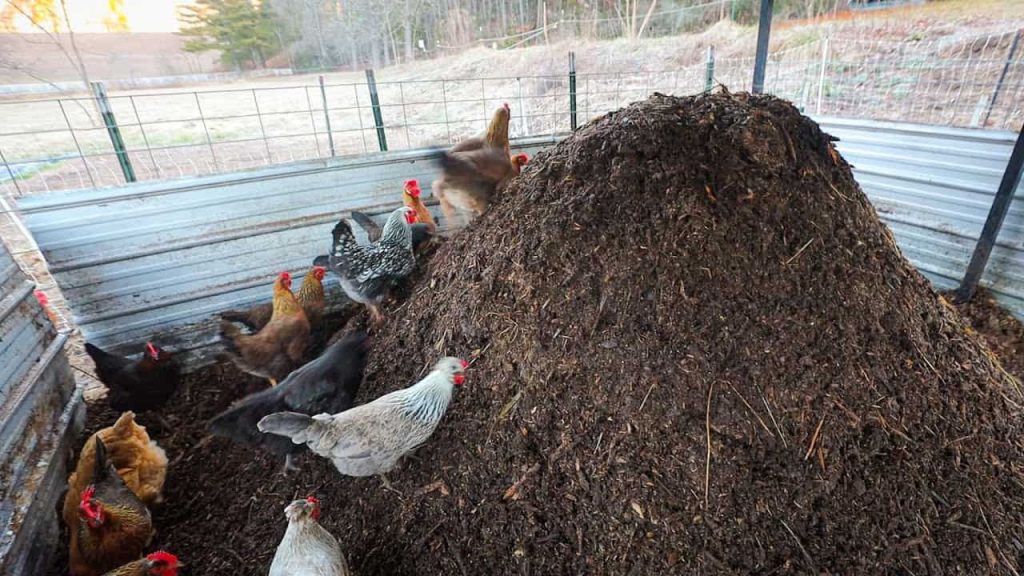
Poultry organic compost is a natural fertilizer produced by decomposing poultry waste under controlled conditions. Poultry waste includes chicken droppings, litter materials like sawdust or straw, feathers, and spilled feed. When properly composted, this waste turns into a dark, crumbly, and odor-free substance rich in essential nutrients.
Raw poultry manure is highly concentrated and can be harmful to plants due to its high nitrogen content and presence of pathogens. Composting stabilizes the nutrients, eliminates harmful organisms, and converts it into a safe and beneficial organic fertilizer.
Composition of Poultry Compost
Poultry compost is known for its high nutrient content compared to other organic fertilizers. It typically contains:
Nitrogen (N): Essential for plant growth and leaf development
Phosphorus (P): Promotes root growth and flowering
Potassium (K): Enhances overall plant health and disease resistance
Calcium and Magnesium: Improve soil structure and nutrient balance
Organic Matter: Enhances soil fertility and microbial activity
This balanced composition makes poultry compost an excellent choice for both small-scale gardeners and commercial farmers.
The Poultry Composting Process
Producing high-quality poultry compost requires proper management and controlled conditions. The process involves the following steps:
1. Collection of Poultry Waste
The first step is collecting waste from poultry farms, including manure, bedding material, and feathers. This waste is usually rich in nitrogen and needs to be balanced with carbon-rich materials.
2. Mixing with Carbon Materials
To achieve an ideal carbon-to-nitrogen (C:N) ratio, poultry waste is mixed with materials like dry leaves, straw, rice husk, or sawdust. This balance is crucial for effective decomposition.
3. Formation of Compost Pile
The mixture is arranged in piles or placed in composting bins. Proper aeration and moisture are essential at this stage to support microbial activity.
4. Decomposition Phase
Microorganisms break down the organic matter, generating heat in the process. Temperatures can reach up to 55–65°C, which helps kill harmful pathogens, weed seeds, and parasites.
5. Turning and Aeration
The compost pile is turned regularly to maintain oxygen flow and ensure even decomposition. This also prevents foul odors.
6. Maturation
After 4–8 weeks, the compost cools down and matures into a stable, nutrient-rich product ready for use.
Benefits of Poultry Organic Compost
1. Improves Soil Fertility
Poultry compost enriches the soil with essential nutrients, making it more productive. It enhances the soil’s ability to support healthy plant growth.
2. Enhances Soil Structure
The organic matter in poultry compost improves soil texture, aeration, and water retention capacity. It helps sandy soils retain moisture and improves drainage in clay soils.
3. Eco-Friendly Waste Management
Poultry farms generate large amounts of waste, which can cause environmental pollution if not managed properly. Composting converts this waste into a useful product, reducing landfill burden and pollution.
4. Reduces Dependency on Chemical Fertilizers
Using poultry compost minimizes the need for synthetic fertilizers, which can harm soil health and the environment over time.
5. Promotes Microbial Activity
The compost is rich in beneficial microorganisms that help break down nutrients and improve soil health.
6. Cost-Effective Solution
For farmers, poultry compost is a low-cost alternative to expensive chemical fertilizers, especially when produced on-site.
7. Improves Crop Yield and Quality
Regular application of poultry compost results in healthier plants, higher yields, and better-quality produce.
Poultry Compost vs Raw Poultry Manure
| Aspect | Poultry Compost | Raw Poultry Manure |
|---|---|---|
| Nutrient Stability | Stable | Highly volatile |
| Safety | Safe for plants | Can burn plants |
| Odor | Minimal | Strong odor |
| Pathogens | Eliminated | May contain harmful microbes |
| Application | Easy and safe | Requires caution |
Composting poultry manure is essential before application to ensure safety and effectiveness.
Applications of Poultry Organic Compost
1. Crop Production
Farmers use poultry compost for growing cereals, vegetables, fruits, and cash crops. It enhances soil fertility and boosts productivity.
2. Horticulture
It is widely used in nurseries, flower cultivation, and landscaping due to its rich nutrient content.
3. Home Gardening
Gardeners use poultry compost in kitchen gardens, lawns, and potted plants for healthy growth.
4. Organic Farming
Poultry compost plays a crucial role in organic farming systems by replacing chemical fertilizers.
5. Soil Reclamation
It helps restore degraded soils by improving organic matter content and nutrient availability.
Challenges in Poultry Composting
While poultry composting offers many benefits, it also comes with certain challenges:
1. Odor Management
Improper composting can lead to unpleasant odors, especially if the pile lacks aeration.
2. Moisture Control
Maintaining the right moisture level is critical. Excess moisture can create anaerobic conditions, while dryness slows down decomposition.
3. Pathogen Risk
If not composted properly, poultry waste may contain harmful pathogens that can affect crops and human health.
4. Initial Setup
Setting up a proper composting system requires knowledge, space, and initial investment.
5. Nutrient Imbalance
Incorrect mixing of materials can lead to an improper C:N ratio, affecting compost quality.
Best Practices for Poultry Composting
To achieve high-quality compost, follow these best practices:
Maintain a proper carbon-to-nitrogen ratio (25:1 to 30:1)
Keep moisture levels around 50–60%
Turn the compost pile regularly for aeration
Avoid overloading the pile with wet manure
Monitor temperature to ensure pathogen destruction
Allow sufficient time for compost maturation
Poultry Composting in India
In India, poultry farming is growing rapidly, leading to an increase in poultry waste generation. Many farmers and entrepreneurs are now adopting composting techniques to manage this waste sustainably.
Government initiatives and awareness programs are encouraging the use of organic fertilizers, including poultry compost. Rural farmers, especially, are benefiting from this practice by reducing input costs and improving soil health.
Urban areas are also seeing a rise in small-scale composting units, contributing to waste reduction and sustainable living.
Future of Poultry Organic Compost in 2025 and Beyond
The future of poultry organic compost looks promising as the world shifts towards sustainable agriculture. Key trends include:
Integration with organic farming systems
Adoption of advanced composting technologies
Increased demand for organic produce
Government support and subsidies
Awareness about soil health and sustainability
Innovations such as automated composting systems and bio-enhanced compost are making the process more efficient and accessible.
Conclusion
Poultry organic compost is a powerful example of turning waste into wealth. It not only addresses the problem of poultry waste disposal but also contributes to sustainable agriculture and environmental protection.
By improving soil fertility, reducing dependency on chemical fertilizers, and promoting eco-friendly practices, poultry compost plays a crucial role in modern farming. Whether you are a farmer, gardener, or environmental enthusiast, adopting poultry composting can bring significant benefits.
As we move forward in 2025, embracing organic solutions like poultry compost is essential for building a healthier, greener, and more sustainable future.
SEO Keywords: poultry organic compost, chicken manure compost, organic fertilizer, sustainable agriculture, composting poultry waste, eco-friendly farming, soil fertility improvement, organic farming India.